
Standard 1: Know students and how they learn
My teaching is grounded in a strong understanding of how students develop socially, intellectually, and emotionally. Having taught across Indonesia and Australia, I design lessons that reflect students’ linguistic and cultural backgrounds, creating inclusive environments where all learners can thrive (1.1, 1.3). I differentiate for ability and language proficiency (1.5), drawing on strategies from my background in ESL and my own experience supporting my son with numeracy learning needs. I am also committed to culturally responsive practice, integrating Aboriginal perspectives and histories into my teaching where contextually relevant (1.4).
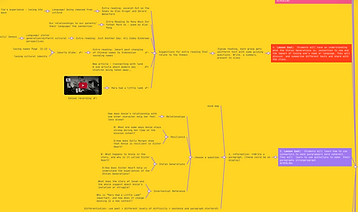
The work presented below is a section of our learning map that shows both collaborative and individual learning. Our learning map is a place to provide visuals, a record of new vocabulary and developing understanding as well as sentence starters.

Standard 3: Plan for and implement effective teaching and learning
I plan engaging, well-sequenced programs that promote high expectations and student agency (3.1–3.2). My IMYC coordination role required me to co-develop curriculum resources, mentor colleagues, and model effective inquiry-based teaching. I employ a wide range of teaching strategies—collaborative learning, cross-curricular integration, and project-based learning—to extend students’ critical and creative thinking (3.3). I select resources that support diverse learning styles and digital fluency (3.4). Regular reflection, assessment data, and feedback guide me in refining programs to ensure continuous improvement (3.6).
Standard 5: Assess, provide feedback and report on student learning
I design and implement a range of assessment strategies—diagnostic, formative, and summative—to track progress and adapt teaching (5.1). My feedback is timely, constructive, and goal-oriented, enabling students to take ownership of their learning (5.2). I engage in moderation activities and collaborative planning to ensure judgements are consistent and comparable (5.3). I analyse student data to identify strengths, address misconceptions, and adapt programs accordingly (5.4). I report clearly and respectfully to students and parents, maintaining accurate records and communicating progress effectively (5.5).
As you can see in the image below I really try to praise my students' work and find their strengths and then give them something tangeable to work on,

Standard 7: Engage professionally with colleagues, parents/carers and the community
I uphold high ethical standards and model professionalism in all contexts (7.1). I comply with school and system policies and encourage colleagues to do the same (7.2). I value strong partnerships with parents and carers, engaging them in discussions about their children’s progress and wellbeing (7.3). I contribute actively to professional communities, both within schools and internationally, strengthening practice through collaboration and shared expertise (7.4).

Standard 2: Know the content and how to teach it
I bring extensive curriculum knowledge from working with the International Baccalaureate (IB), International Middle Years Curriculum (IMYC), and the Australian Curriculum. This enables me to plan programs that are concept-driven, inquiry-based, and aligned with assessment requirements (2.1, 2.3). My teaching draws explicit connections between literacy, numeracy, and disciplinary knowledge (2.5). I use ICT creatively to expand learning opportunities and to make content meaningful, for example through digital storytelling, collaborative platforms, and multimodal resources (2.6).

Standard 4: Create and maintain supportive and safe learning environments
I establish inclusive, student-centred classrooms where collaboration and respect are central (4.1). My practice incorporates clear expectations, consistent routines, and positive behaviour management strategies to support engagement (4.2–4.3). I prioritise student wellbeing and safety, ensuring all activities meet policy and legislative requirements (4.4). I also promote the ethical and safe use of ICT, modelling responsible practices and teaching digital citizenship explicitly (4.5).
Safe and supportive learning environments are very much connected to what is communicated in the classroom ( i.e. learning map) as well as by how we communicate and what we do. I am passionate about creating safe environments where the students and I are learning together, negotiating our understanding.

Standard 6: Engage in professional learning
I am committed to ongoing professional growth. I recently completed a Master of Education and practicums at Hedland Senior High School and Ballajura Community College, experiences which further developed my expertise in literacy, numeracy, and differentiated learning (6.1–6.2). I actively engage in professional networks, including contributing to curriculum design as an IMYC Coordinator and co-author of the Exit Point Guide (6.3). I apply my learning to practice, ensuring professional development directly impacts student outcomes (6.4).
